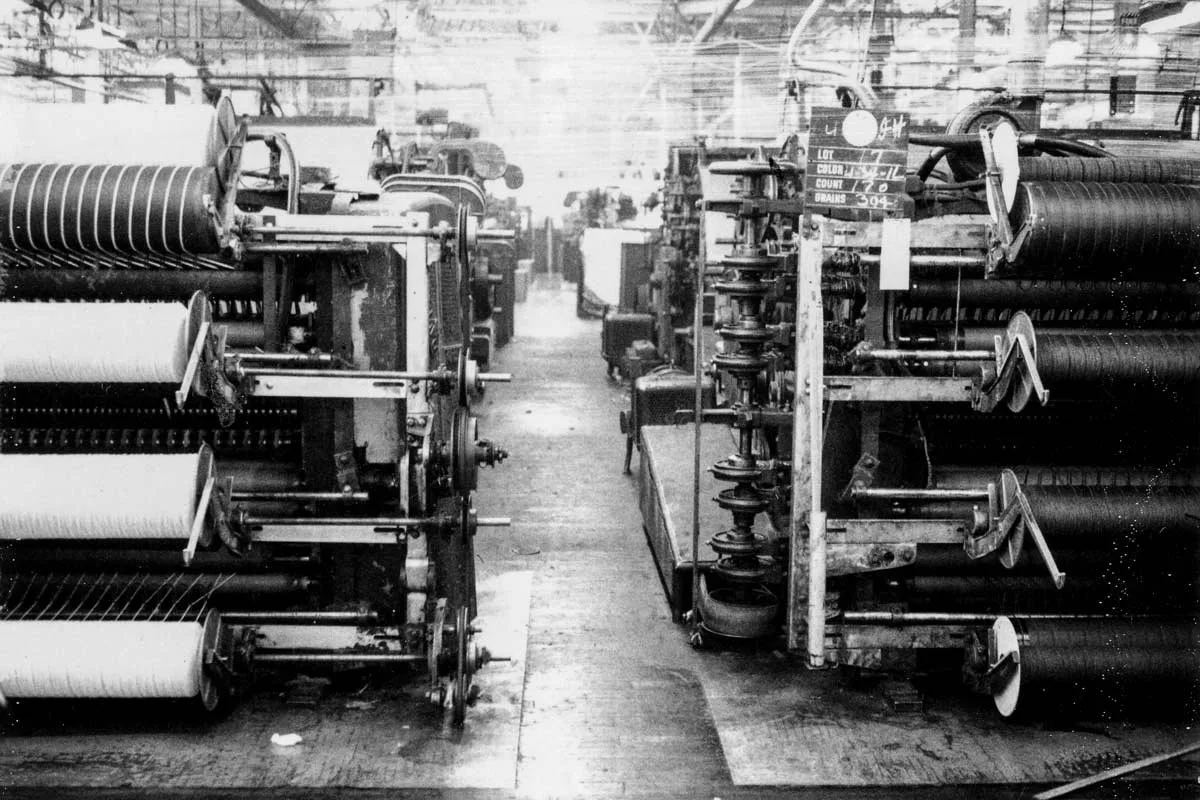
Ask a manufacturing engineer what they do, and you rarely get a short answer. The job sits at the crossroads of design, machines, money, and people. The goal is simple to state and hard to do. Make sure a product can be built thousands of times, at a cost that works, with quality that holds.
Here is how these engineers think, where the field came from, and what the career path looks like.
The Core Mission
Strip the job down and one goal remains. The engineer's task is to turn raw material into a new product in the most effective, efficient, and economic way possible. That definition comes from Wikipedia's overview of manufacturing engineering. Every choice, from a robot arm to a tape measure, serves that goal.
The field borrows widely. It builds on industrial and mechanical engineering, then adds parts of mechatronics, commerce, economics, and business management. That mix explains the mindset. An engineer like this is part builder, part analyst, and part cost watcher.
Thinking in Systems
Good engineers rarely see a single machine. They see a system. Industrial engineering, a close cousin, works the same way. It aims to improve how people, materials, information, and equipment act as one whole, according to Wikipedia's entry on industrial engineering.
That view forces trade-offs. Faster output can raise costs. Tight checks can slow the line. Cheap parts can mean more defects. The engineer hunts for the balance point where the whole plant performs best, not just one station.
Deep Roots
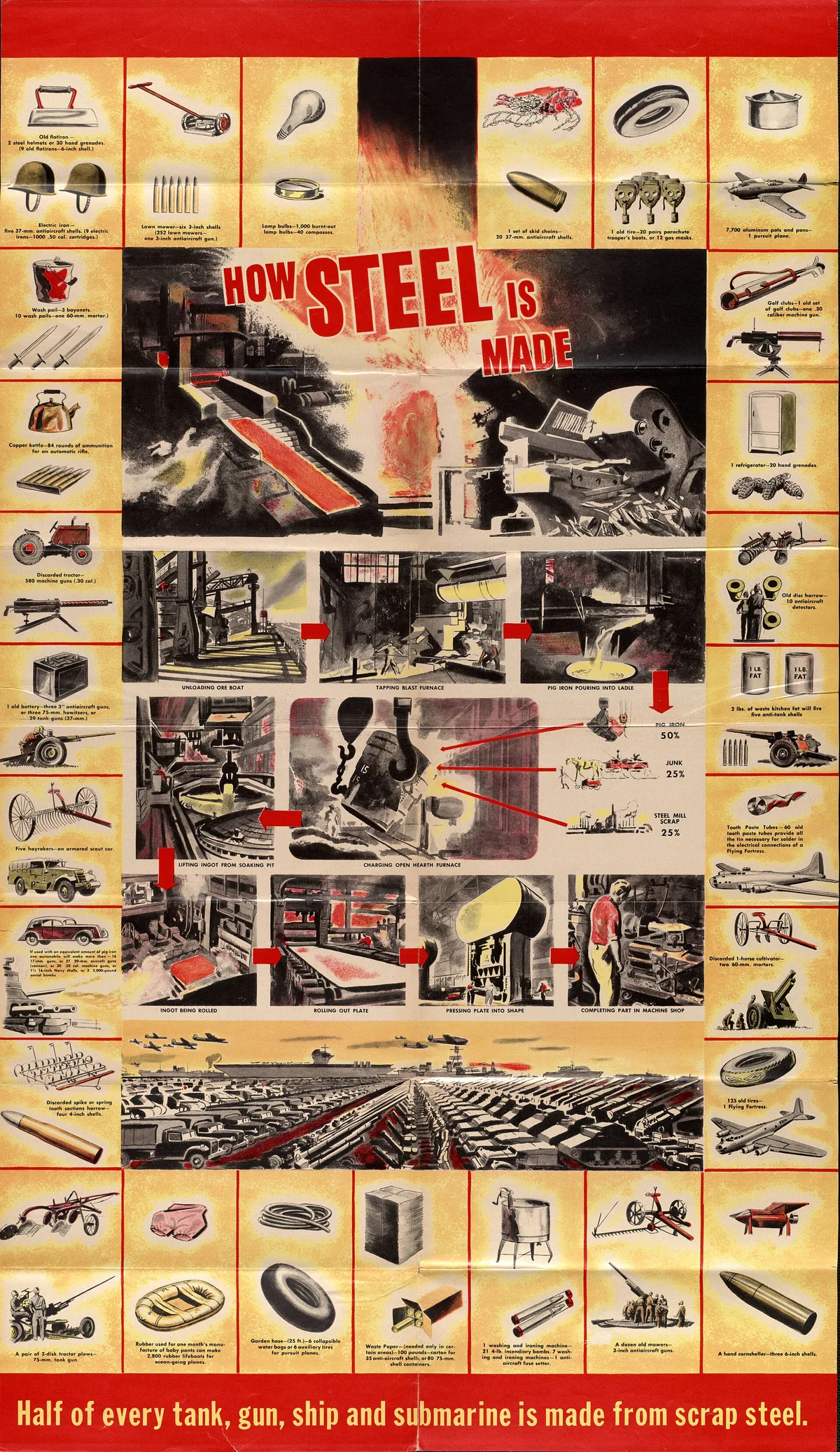
The trade is older than it looks. Venice built war ships in long rows of steps as early as 1104. That shipyard once employed about 16,000 people and turned out nearly one ship per day, according to Wikipedia's history of the field. The modern job grew out of tool-and-die work in the early twentieth century. It then grew fast from the 1960s, as plants took up computer run machines, statistical quality control, and factory robots. Readers following this should also see Machine tool orders signal factory turns early.
The Daily Toolkit
Today's engineer works through software as much as steel. Design software draws the part on screen. Simulation tools predict how a part will handle stress and heat before anything is cut. On the floor, robots do the welding and much of the moving. Robots raise consistency and free workers from tasks that are risky, grim, or dull.
Measuring matters just as much. Engineers watch whether output stays within limits. They track how much of a machine's time is truly productive. When a number drifts, they hunt the cause in the process, not in the people.
Where They Work
Almost every factory needs them. Wikipedia's account of the field lists car makers such as General Motors and Ford among the large employers of these engineers in the United States. Boeing and Pfizer appear on the same list. European names include Airbus, Daimler, and BMW. If a company builds physical products at scale, this role sits somewhere on its chart.
The daily setting varies. Some engineers sit with design teams. Others walk the floor all day. Many split their time between both worlds.
Training and Credentials
Most people in this role hold a bachelor's degree. The field also has its own ladder. The Society of Manufacturing Engineers runs two well known tests, according to Wikipedia's summary of the programs. The first leads to a Certified Manufacturing Technologist badge. It is a three hour exam with 130 questions. The second leads to the Certified Manufacturing Engineer badge. It is a four hour exam with 180 questions. Each badge also demands years of mixed schooling and plant work. This connects to our earlier piece, New chip fabs run on water and power first.
Conclusion
The mind behind the plant runs on a simple loop. Set the goal, study the flow, weigh the trade-offs, and improve the system a bit more. It is patient work. It is also the reason a product designed once can be built a million times without drama. Next time a factory tour impresses you, keep in mind that someone planned each step you saw.